Why Export-Oriented Factories Are Switching to Rooftop Solar in Bangladesh
Published at - June 15, 2026
Bangladesh has become one of the world's leading manufacturing and export destinations. As international buyers increasingly prioritize sustainability, export-oriented industries are facing growing pressure to reduce carbon emissions, improve energy efficiency, and demonstrate responsible business practices.
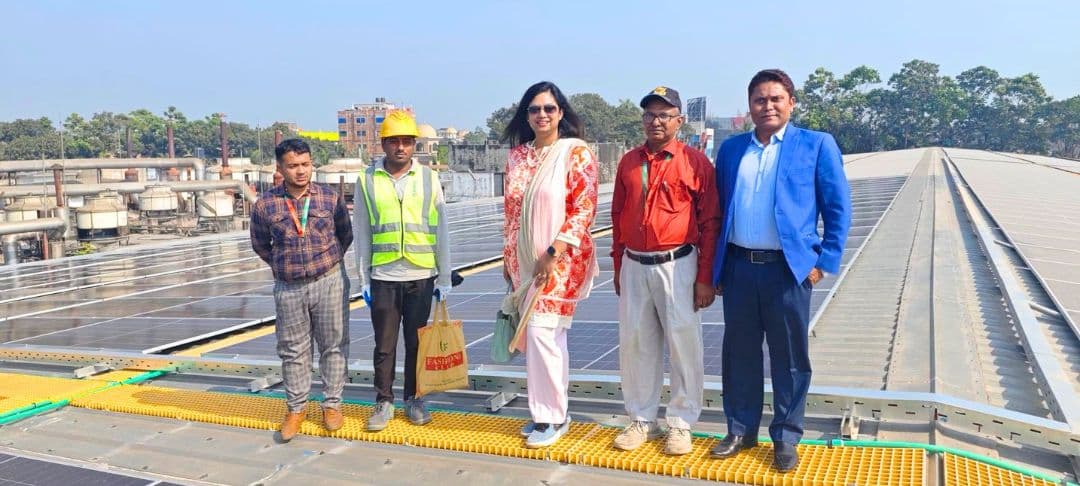
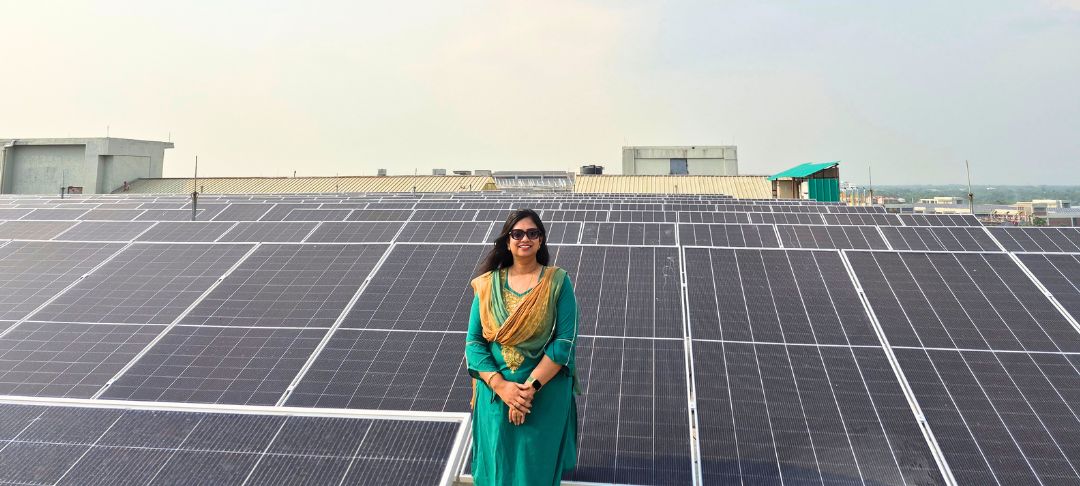
To address these challenges, many factories are turning to industrial rooftop solar systems as a long-term energy solution.
Today, rooftop solar is no longer viewed only as a cost-saving initiative. It has become a strategic investment that strengthens competitiveness in global markets.
Growing Sustainability Expectations from Global Buyers
International brands and retailers are placing greater emphasis on:
- Carbon footprint reduction
- ESG performance
- Renewable energy adoption
- Sustainable supply chains
Factories that demonstrate strong environmental performance are increasingly preferred by global buyers.
As a result, rooftop solar is becoming an important part of maintaining long-term business relationships and enhancing export competitiveness.
Reducing Energy Costs and Improving Profitability

Rising electricity prices continue to affect manufacturing costs.
Industrial rooftop solar helps export-oriented factories:
- Lower energy expenses
- Improve operating margins
- Reduce dependence on grid electricity
- Create long-term cost predictability
Lower energy costs allow manufacturers to remain competitive in international markets.
Supporting ESG and Sustainability Goals
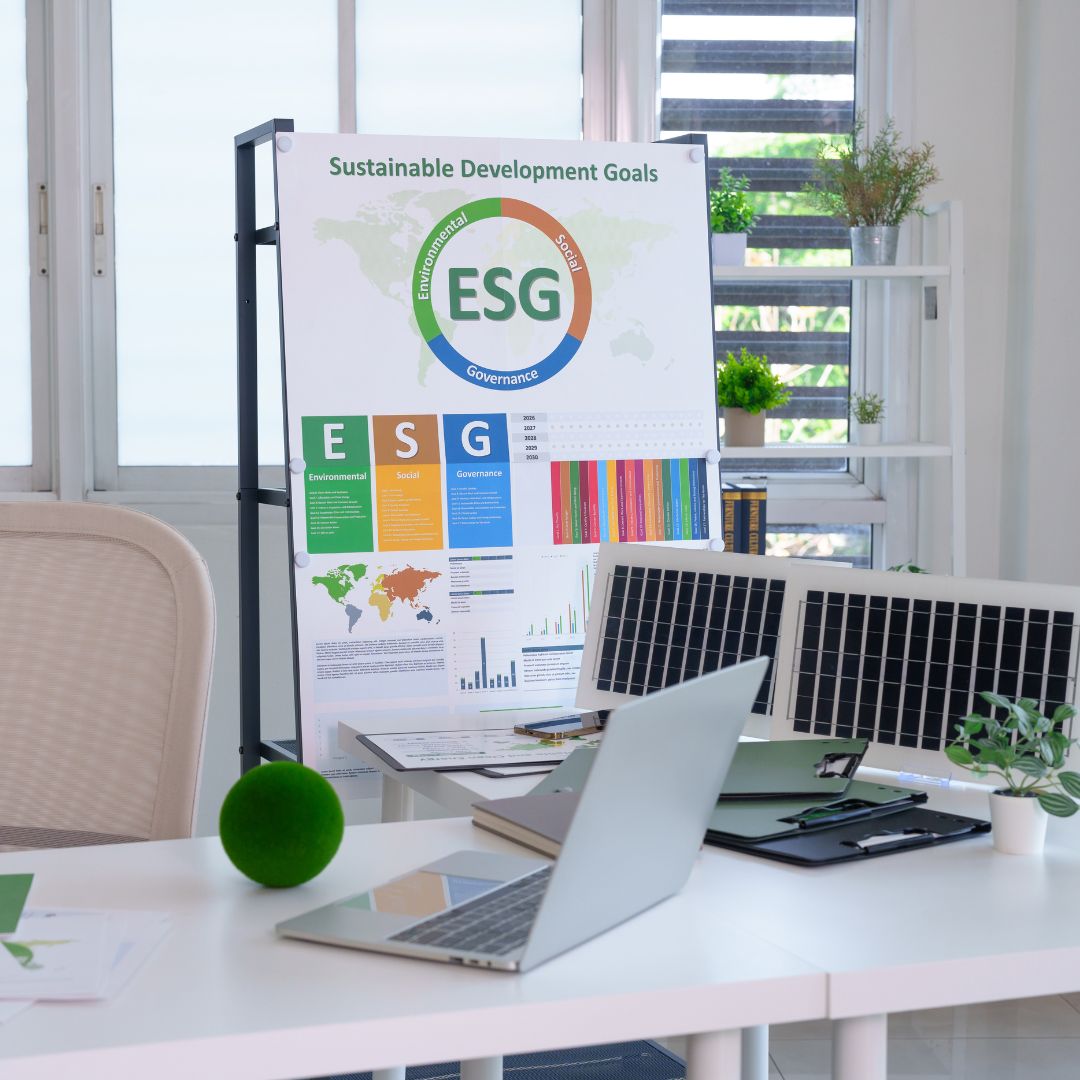
Environmental, Social, and Governance (ESG) performance has become a key consideration for investors, buyers, and international stakeholders.
Rooftop solar contributes to:
- Lower carbon emissions
- Better sustainability reporting
- Improved ESG credentials
- Stronger corporate reputation
For many exporters, sustainability is now a business requirement rather than an option.
Strengthening Energy Security
Uncertainty in energy markets can disrupt industrial operations.
By generating electricity on-site, factories can:
- Improve energy resilience
- Reduce exposure to energy price fluctuations
- Support uninterrupted production
- Enhance long-term operational stability
Energy security has become a critical factor for export-oriented industries.
Aligning with Bangladesh's Green Industrial Future

Bangladesh is steadily moving toward cleaner and more sustainable industrial growth.
Industrial rooftop solar supports:
- National renewable energy goals
- Industrial decarbonization
- Reduced environmental impact
- Long-term sustainable development
The transition to clean energy benefits both industries and the broader economy.
Why Industries Trust Solaric
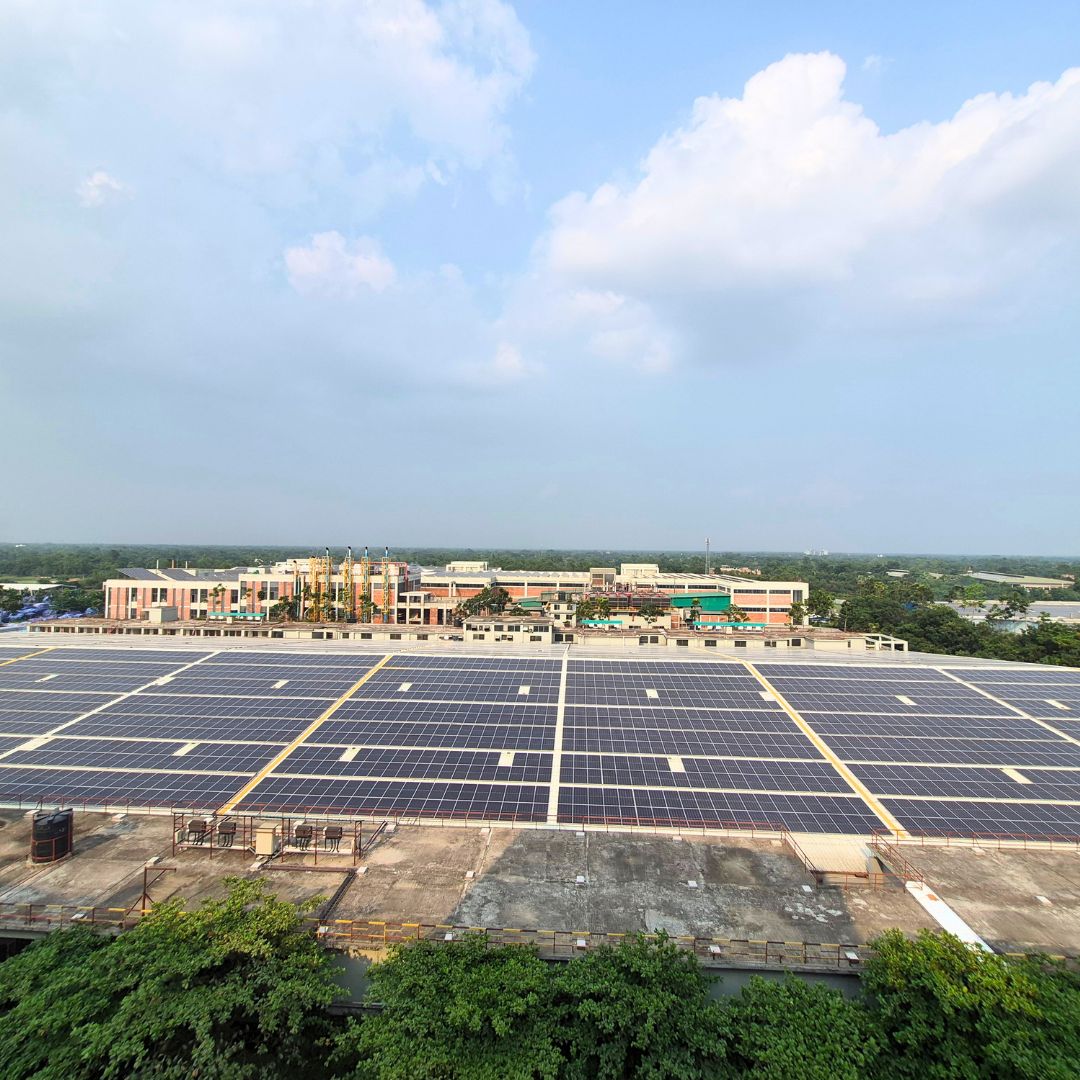
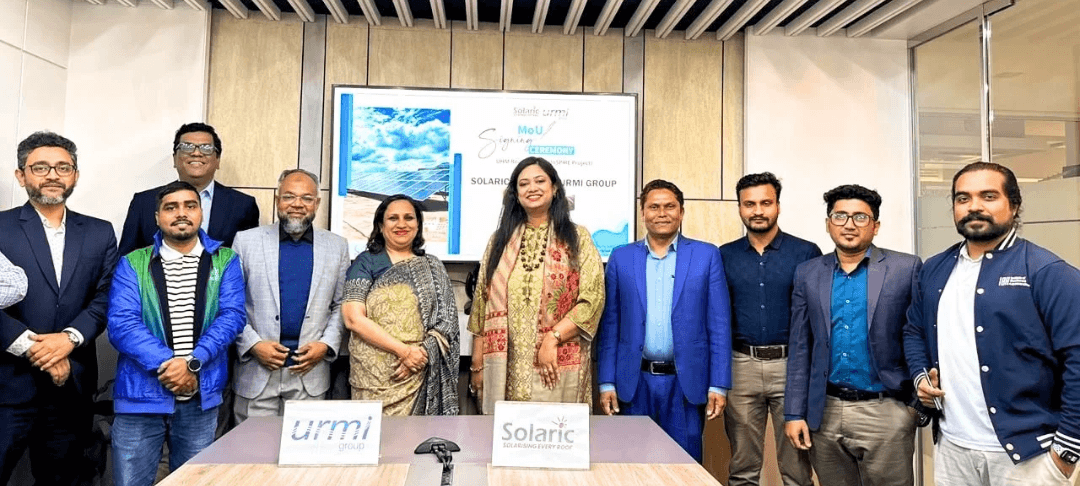
Solaric continues to help industries accelerate their clean energy transition through engineering excellence and reliable execution.
With:
- 192+ MW commissioned
- 40 MW under development
- 79 operational projects
Solaric provides:
- Engineering-driven system design
- CapEx and OpEx models
- Advanced monitoring solutions
- Long-term Operations & Maintenance services
- High-quality industrial rooftop solar solutions
From textiles and manufacturing to FMCG and export industries, Solaric supports businesses in building a more sustainable future.
Conclusion
As sustainability expectations continue to rise, export-oriented factories are increasingly adopting rooftop solar to remain competitive, improve ESG performance, and strengthen long-term profitability.
Industrial rooftop solar is no longer just an energy solution - it has become a strategic advantage for manufacturers aiming to succeed in global markets.
Solaric remains committed to empowering Bangladesh's industries with reliable, scalable, and sustainable solar solutions.
Contact Us
-
Phone: +880 1750-150251*
-
Email: megaroof@solaricglobal.com*
- Website: www.solaricglobal.com