Industrial Solar ROI Explained: What Factory Owners Need to Know Before Investing
Published at - April 16, 2026
For factory owners, every investment decision comes down to one question: What is the return? Industrial rooftop solar is often promoted as a cost-saving solution, but its real value lies in long-term financial performance. Understanding industrial solar ROI is essential before making the investment.
This guide breaks down how solar delivers returns, what factors influence ROI, and what factory owners should evaluate before investing.
What Does ROI Mean in Industrial Solar?
Return on Investment (ROI) in solar measures how quickly and effectively the system pays back its initial cost and generates savings over time.
In industrial applications, ROI is driven by:
- Reduction in electricity costs
- System lifespan (typically 25+ years)
- Energy generation capacity
- Operational efficiency
Unlike many investments, solar provides consistent and predictable returns.
Typical ROI and Payback Period

Industrial rooftop solar systems typically offer:
- Payback period: 4–5 years
- System lifespan: 25+ years
- Energy cost reduction: 30–40%
After the payback period, the electricity generated is essentially free-creating long-term financial gains.
Key Factors That Affect Solar ROI
Not all solar projects deliver the same returns. ROI depends on several critical factors:
1. Energy Consumption Pattern
Factories with high daytime energy usage benefit the most from solar generation.
2. System Size and Design
Optimized system design ensures maximum energy yield and faster ROI.
3. Electricity Tariff Rates
Higher grid tariffs increase the value of solar savings.
4. Installation Quality
Engineering quality directly impacts system efficiency and longevity.
5. Operations & Maintenance
Proper O&M ensures consistent performance and protects long-term returns
CapEx vs OpEx: Two Different ROI Approaches

Industrial solar investments can follow two models:
CapEx Model
- Upfront investment
- Higher long-term ROI
- Full ownership of the system
- Faster payback
OpEx Model
- No upfront investment
- Pay for energy consumed
- Lower financial risk
- Immediate savings from day one
Choosing the right model depends on financial strategy and risk appetite.
Beyond ROI: Additional Financial Benefits

While ROI is important, rooftop solar also delivers indirect financial advantages:
- Protection from rising electricity prices
- Improved cash flow predictability
- Increased asset value
- Reduced operational risk
These factors strengthen overall financial performance.
Common Mistakes to Avoid Before Investing
Factory owners should avoid:
- Choosing the lowest-cost provider without quality assurance
- Ignoring long-term O&M requirements
- Oversizing or undersizing the system
- Not analyzing energy consumption patterns
A well-planned system ensures maximum ROI.
How Solaric Maximizes Industrial Solar ROI
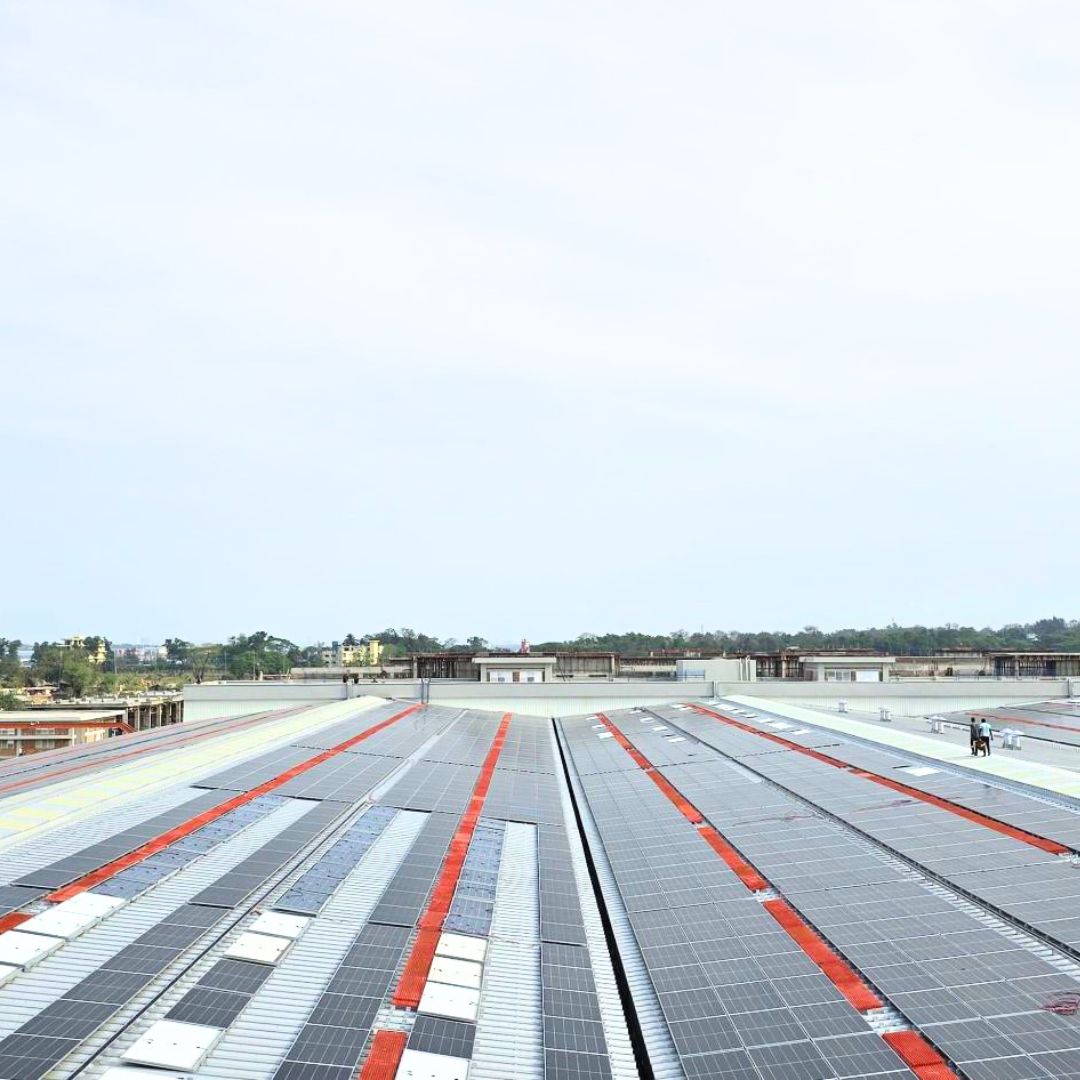
Solaric ensures high ROI through:
- Accurate energy consumption analysis before design
- Engineering-driven design optimization
- CapEx & OpEx flexible models
- Long-term O&M services
Solaric focuses not just on installation, but on maximizing lifetime returns.
Conclusion
Industrial rooftop solar is one of the most reliable long-term investments for factories. With predictable returns, low risk, and long operational life, it transforms energy from a cost center into a profit-generating asset.
For factory owners, understanding ROI is the first step toward making a smarter energy investment.
Contact Solaric
Phone: +880 1750 150 251
Email: megaroof@solaricglobal.com
Website: https://www.solaricglobal.com
Calculate Your Solar ROI Today