Why Solar Project Engineering Matters More Than Just Panel Selection
Published at - September 06, 2026

When businesses consider rooftop solar, choosing the right solar panel is often one of the first decisions they make. Efficiency, warranty, technology, and price all matter—but they are only part of a successful solar project.
For an industrial facility, solar needs to work as a complete energy system. Rooftop condition, structural capacity, electrical infrastructure, energy consumption, system configuration, installation, monitoring, and maintenance all influence how well the project performs.
This is why solar project engineering matters. The right engineering approach ensures that every part of the system is designed to work together for reliable and long-term performance.
A Solar Project Is More Than Solar Panels
Solar panels are the most visible part of a solar installation, but they are only one component of the overall system.
A complete industrial solar project includes modules, inverters, mounting structures, electrical protection, monitoring systems, cabling, grid connection, and other supporting infrastructure. Each component must be selected and configured according to the specific requirements of the site.
A high-quality panel cannot deliver its full potential if the overall system is poorly designed.
The real objective is not simply to install more panels. It is to create a well-engineered solar system that performs efficiently and reliably throughout its operating life.
Engineering Starts With the Site

Before selecting equipment, engineers need to understand the facility where the solar system will be installed.
A proper site assessment considers rooftop area, structural condition, shading, orientation, energy consumption, existing electrical infrastructure, access, and operational requirements.
Why Rooftop Assessment Matters
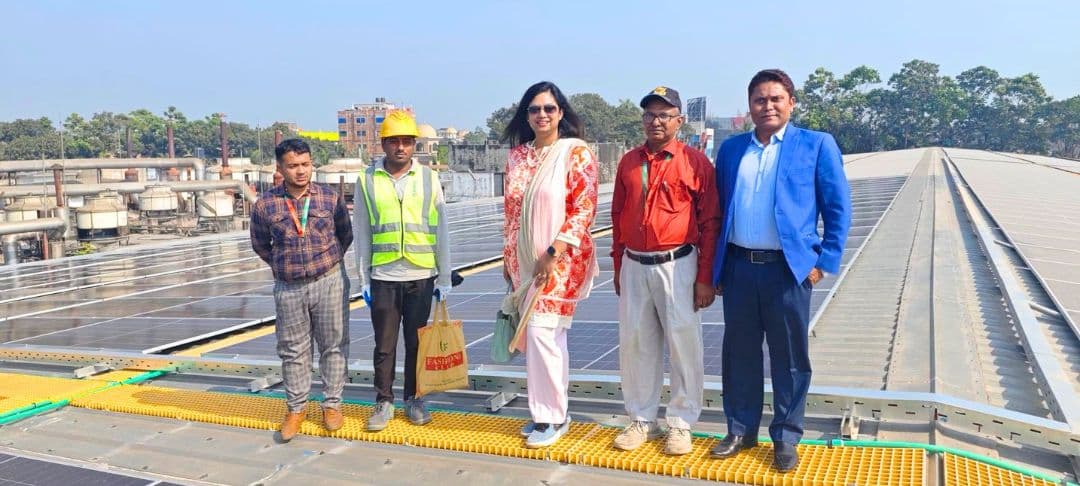
Industrial rooftops can vary significantly in structure and condition. The solar design needs to account for the available installation area, structural capacity, drainage, access, and waterproofing.
Solaric's turnkey approach begins with structural analysis and integrated waterproofing to support safe and reliable rooftop installations.
This makes site assessment an important foundation for effective rooftop solar engineering.
The Right Design Determines More Than System Size
The largest possible system is not necessarily the best system for a factory.
Solar project design should be based on the facility's energy demand, rooftop characteristics, electrical infrastructure, and project objectives. Engineers need to determine how much capacity can be installed, how modules should be arranged, what inverter configuration is suitable, and how the system should connect to the facility.
Solaric's implementation process includes feasibility studies, solar potential analysis, initial designs, and financial projections to assess project viability and expected returns before implementation.
A carefully designed system therefore helps align solar generation with actual business requirements.
Electrical Integration Is a Critical Part of Solar Engineering

For a factory, a solar system becomes part of the existing electrical network. It must therefore be designed to work properly with the facility's electrical infrastructure and grid connection.
Protection systems, power flow, equipment configuration, and operational requirements all need to be considered during engineering.
This is particularly important for large industrial facilities, where electrical systems can be more complex and where uninterrupted operations are critical.
Good engineering ensures that solar generation is integrated into the facility in a safe, practical, and reliable way.
Long-Term Performance Starts With Good Engineering
Solar project success should not be measured only on the day of commissioning. Long-term performance depends on how well the system is monitored, maintained, and managed after installation.
Monitoring and Maintenance Matter
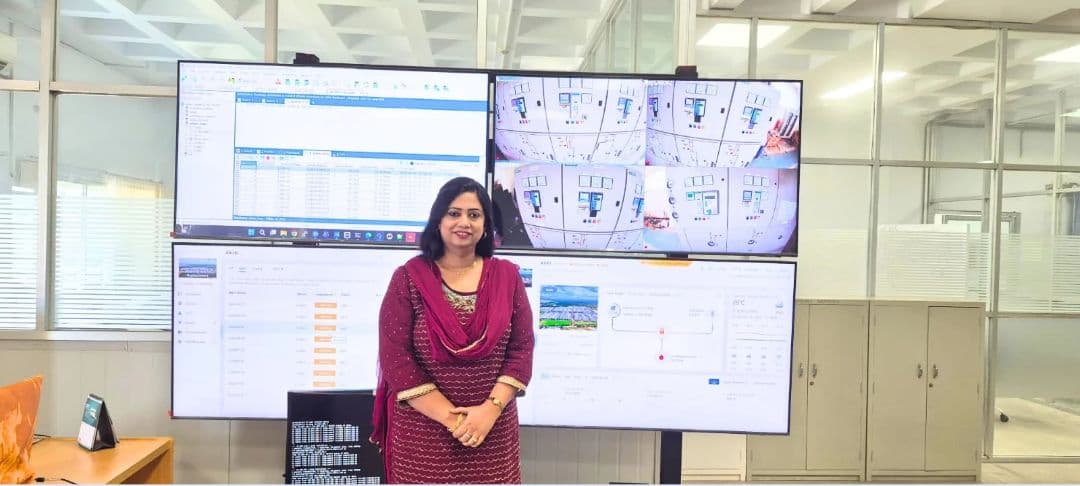
Performance monitoring helps identify potential issues and provides visibility into how the system is generating energy over time.
Solaric offers turnkey solar solutions covering design, sourcing, installation, grid connection, and O&M. Its capabilities also include custom monitoring software for real-time performance tracking and auto/semi-auto cleaning solutions.
Considering these requirements from the engineering stage helps businesses treat rooftop solar as a long-term energy asset, rather than simply an installation project.
Why Solaric for Industrial Solar Engineering?

Industrial solar projects require a combination of engineering expertise, project execution capability, and long-term technical support.
Solaric's in-house technical team works across CapEx, OpEx, and utility-scale solar projects, supporting complex projects with an integrated approach from engineering through implementation and O&M.
Solaric's current project portfolio includes:
- 182+ MWp Commissioned - 40+ MWp Under Development - 85+ MWp Operational Projects
The company's experience also includes the 52 MWp rooftop solar project for YoungOne Corporation at KEPZ, one of the largest rooftop solar installations of its kind globally. The project generates around 75 GWh of green electricity annually and reduces more than 57,000 metric tons of CO₂ emissions each year.
This combination of engineering capability and project experience allows Solaric to focus on the complete solar solution—not just the panel selection.
Contact Solaric
lanning a rooftop solar project for your factory or commercial facility?
The right starting point is understanding your site's technical and energy requirements. Solaric can support businesses in assessing project feasibility and developing a solar solution aligned with their operational needs and long-term objectives.
Talk to Solaric about your industrial solar project today.
Phone: +880 1750-150251
Email: megaroof@solaricglobal.com
Website: www.solaricglobal.com